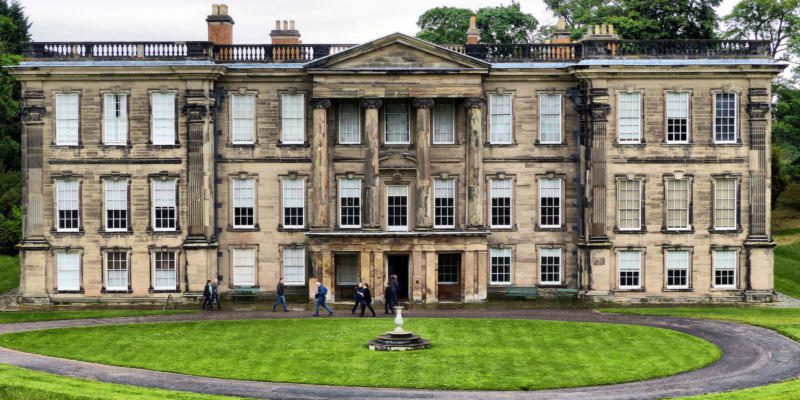
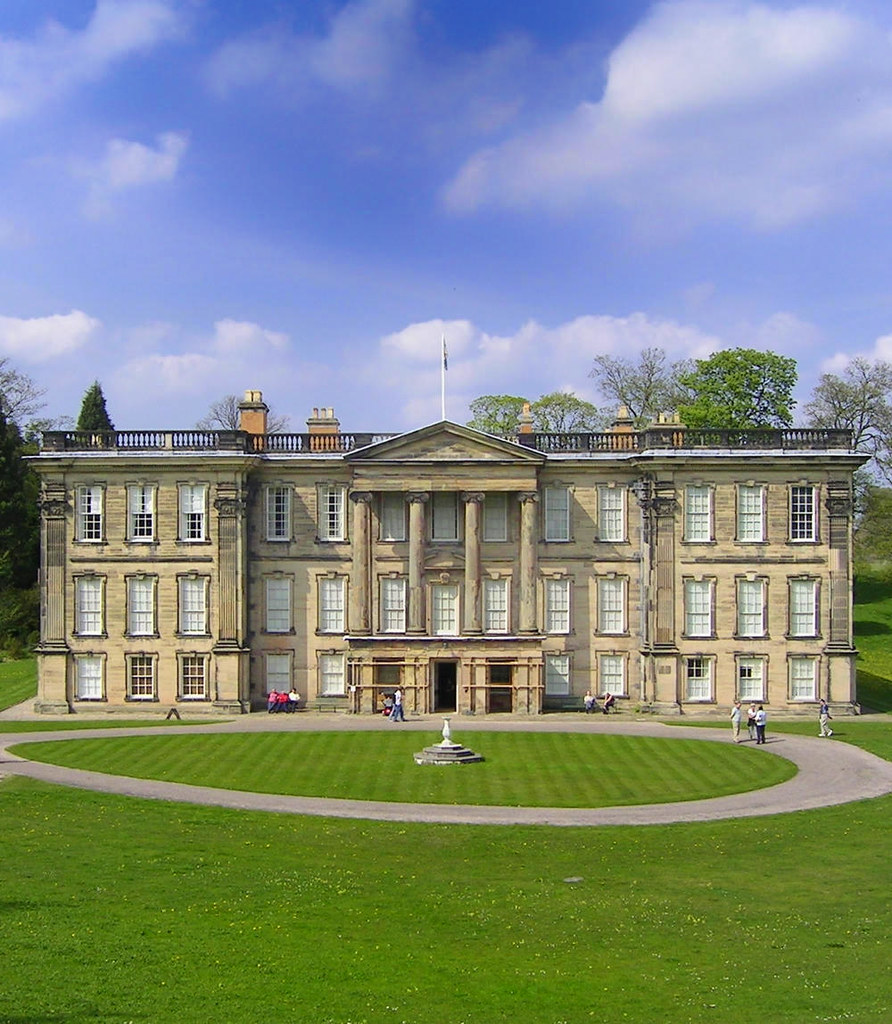
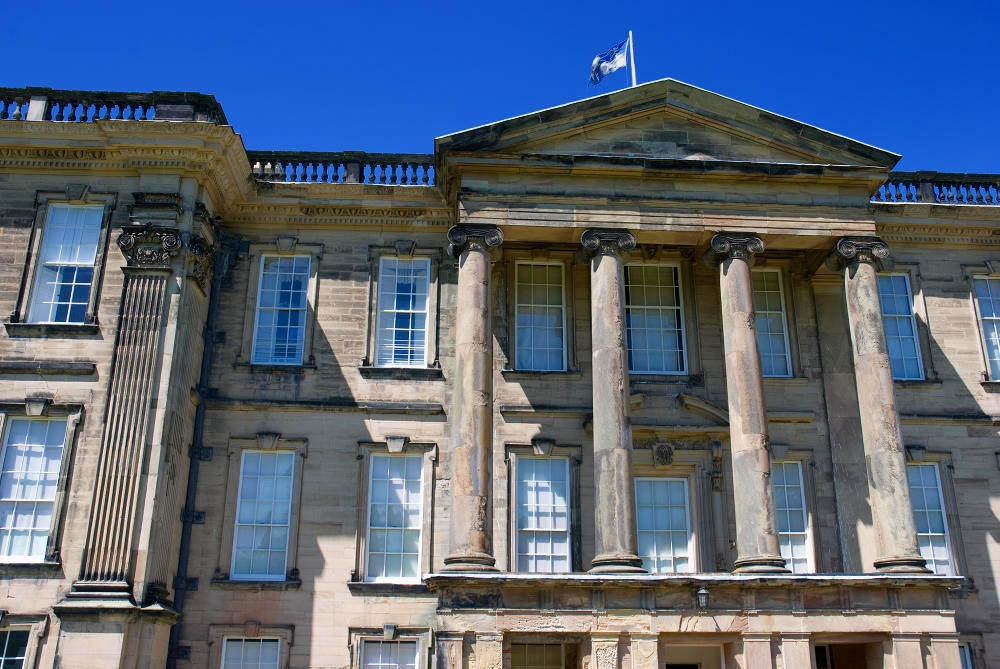
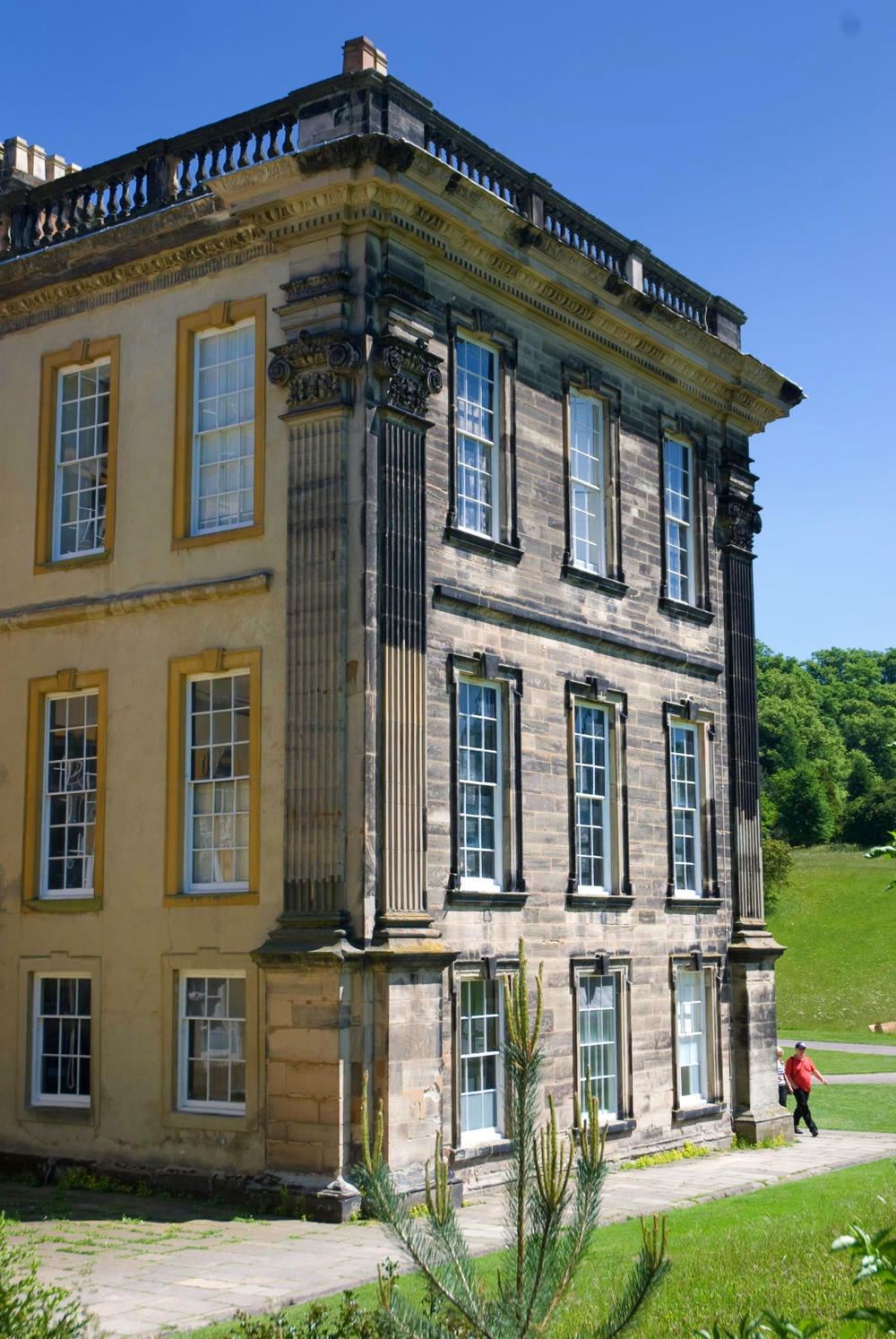
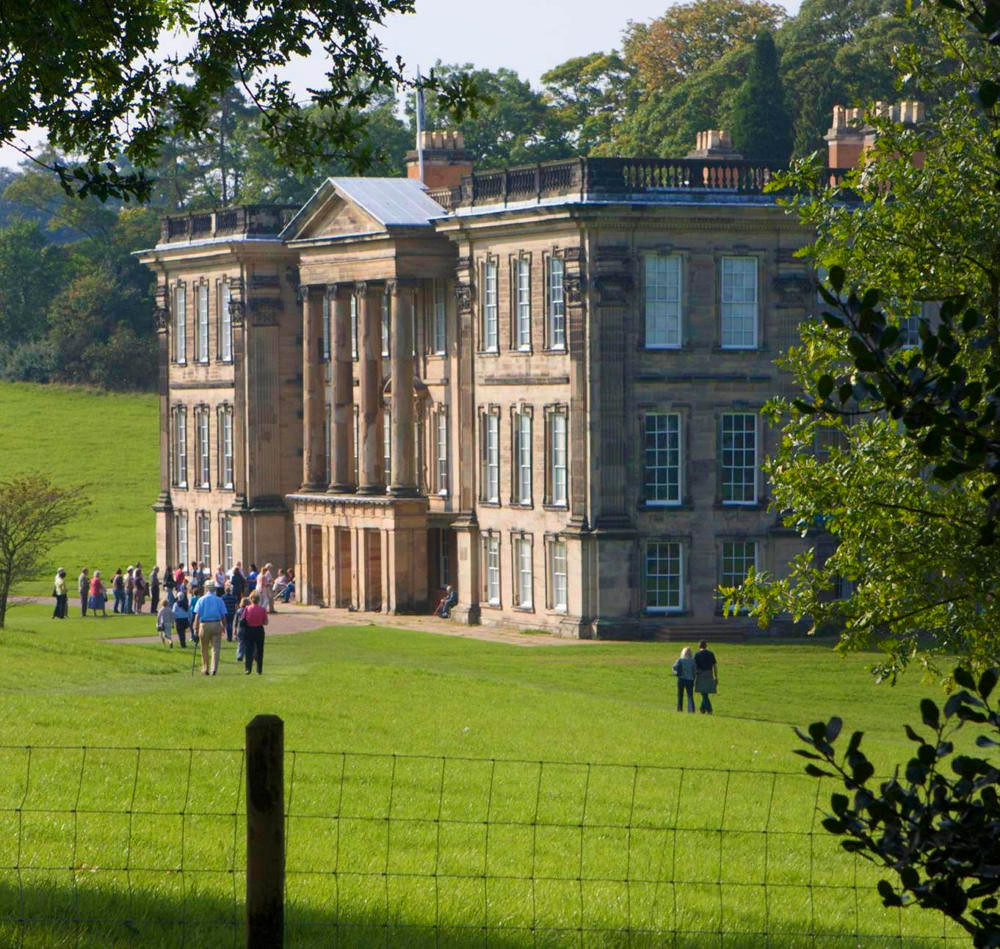
Calke Abbey is an 18th-century country house near Ticknall, Derbyshire, England, in the care of the charitable National Trust.
The National Trust for Places of Historic Interest or Natural Beauty is the largest membership organization in the United Kingdom.
"a charity that works to preserve and protect historic places and spaces—for ever, for everyone."
Click to read more ...Close text
Once the site of a 12th-century Augustinian priory until its dissolution by Henry VIII, a beautiful Baroque mansion was built in its place between 1701 and 1704, taking the name "Calke Abbey".
Set in the midst of a landscape park, Calke Abbey is presented by the National Trust as an illustration of the English country house in decline.
There are three types of listed status for buildings in England and Wales:
Grade I: buildings of exceptional interest.
Grade II*: particularly important buildings of more than special interest.
Grade II: buildings that are of special interest, warranting every effort to preserve them.
Calke Abbey is Grade I—the highest level in terms of its historical importance.
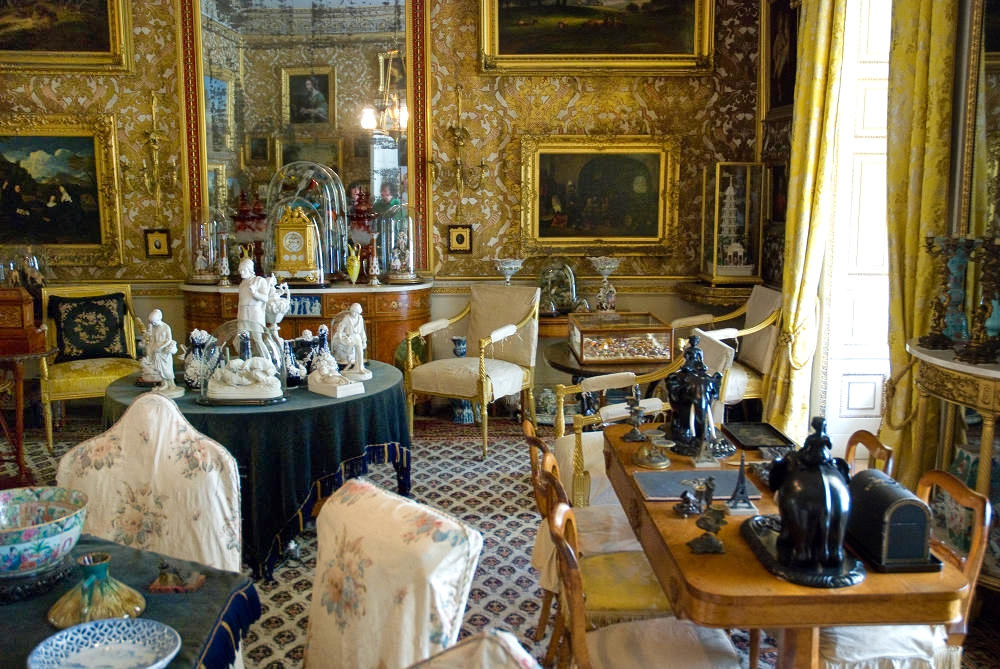
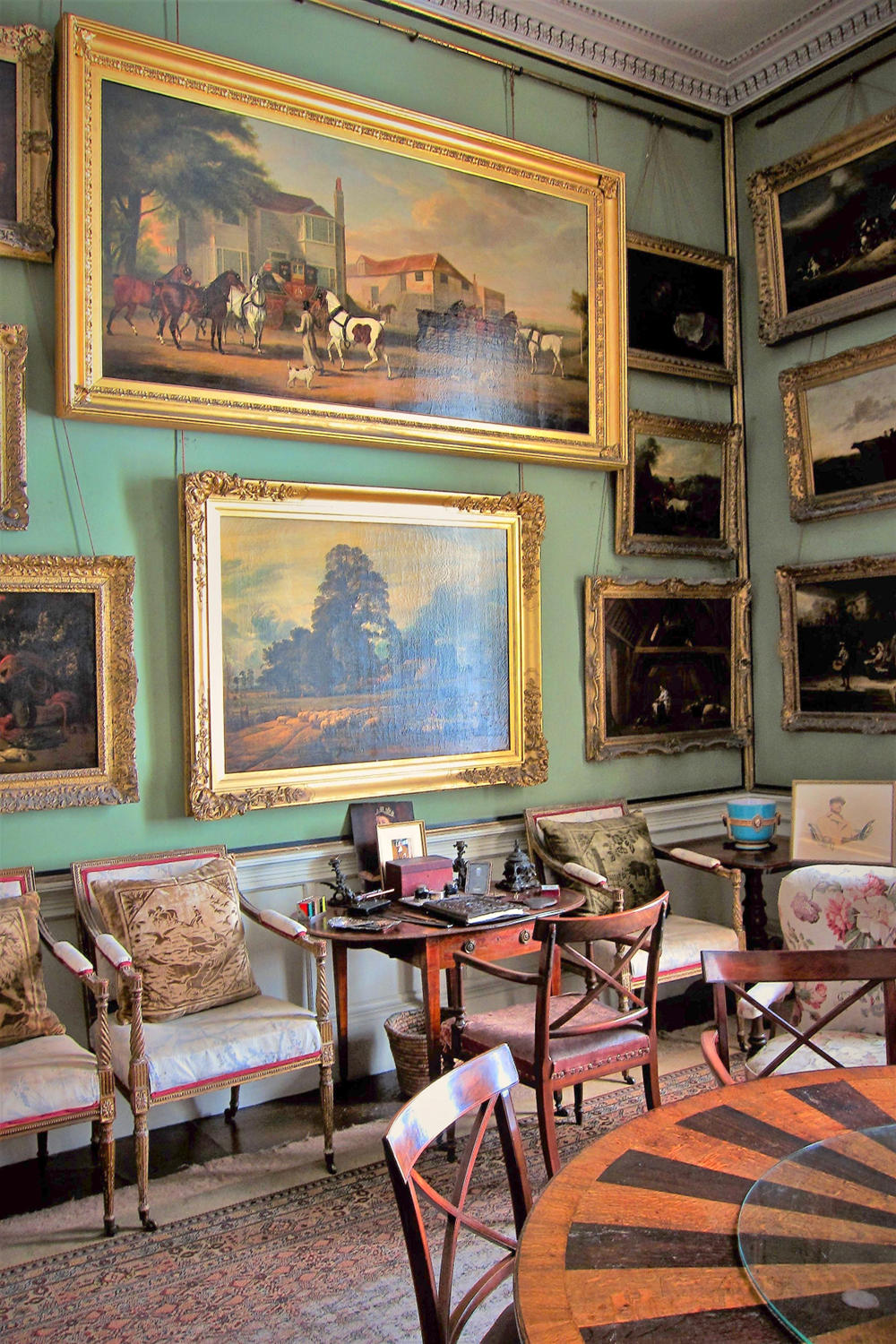
A massive amount of remedial work, but no restoration, has been carried out, and interiors are almost as they were found in 1985.
Although the decay of the building and its interiors has been halted, it has not been reversed.
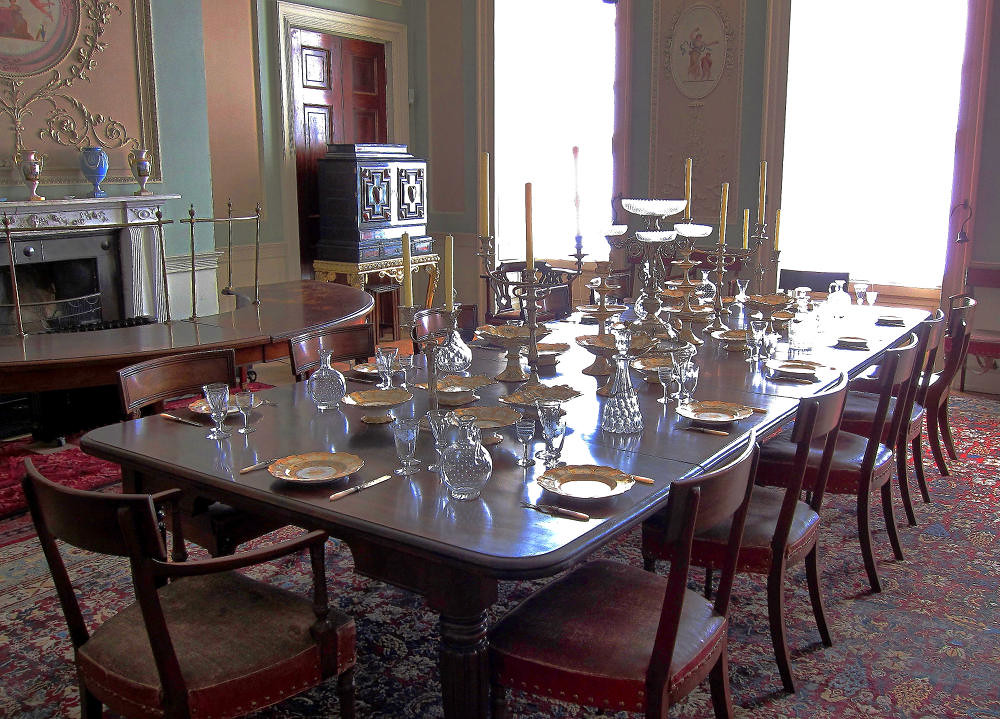
So visitors get to experience the house with everything in its place, just as it was handed to the National Trust—untouched for over 100 years.
Join me as we take a tour of an English Country House, frozen in time.
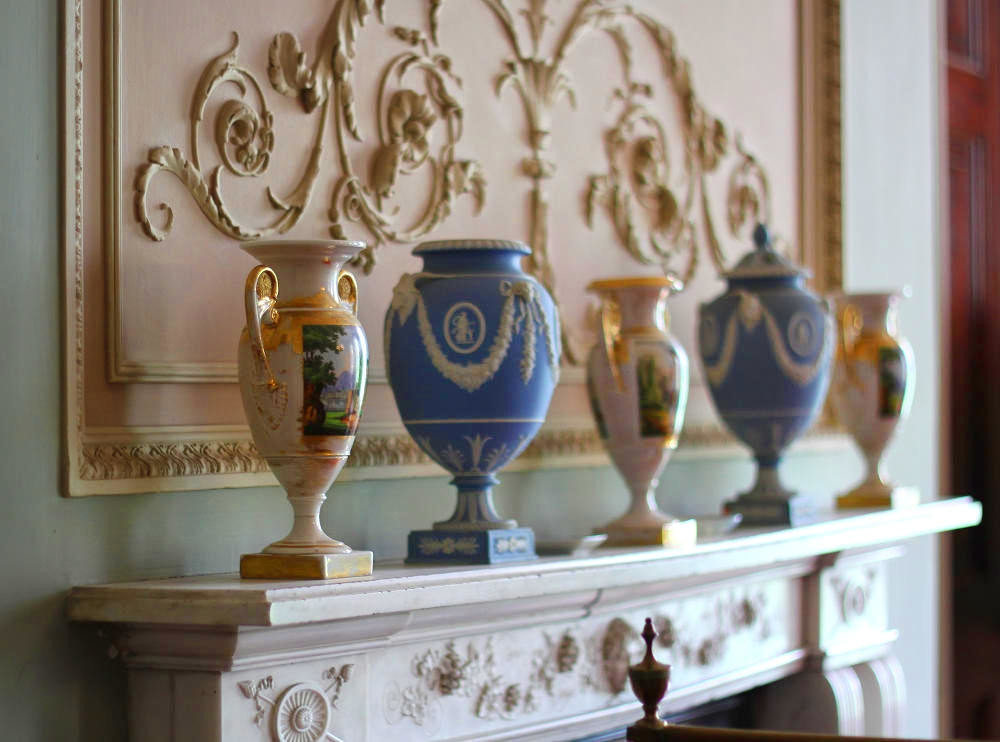
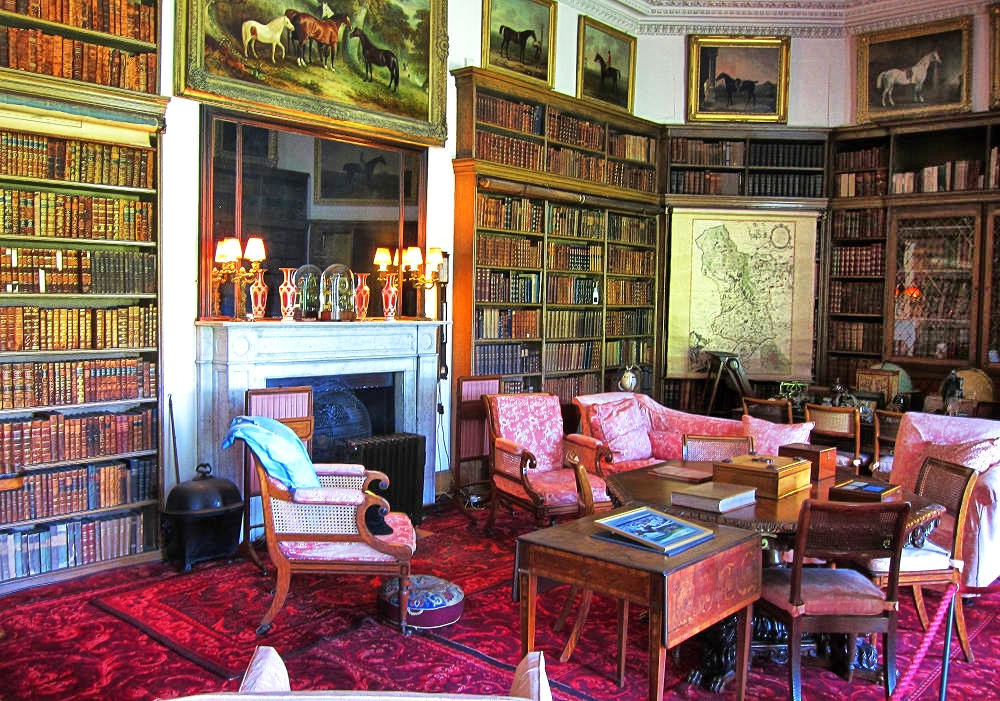
Calke Abbey, Derbyshire. Credit PJMarriottCalke Abbey main building. Credit Thomas QuineCalke Abbey, DerbyshireCalke Abbey, Derbyshire. Credit Chris HoareThe Drawing Room at Calke Abbey, Derbyshire. Credit Thomas QuineThe Dining Room , Calke Abbey. Credit Phil SangwellMantelpiece in Calke Abbey. Credit Mark LongairThe Salon at Calke Abbey, Derbeyshire. Credit Thomas QuineThe library at Calke Abbey, Derbyshire. Credit Thomas Quine
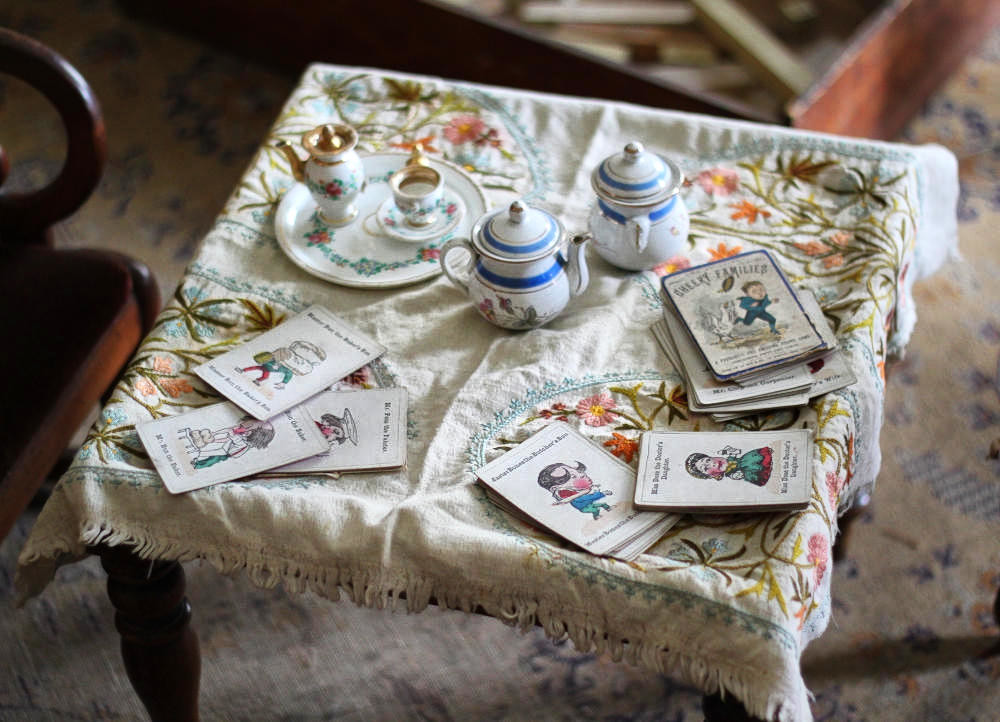
While we're in the library, fancy a game of Happy Families? (called "Cheery Families" in the mid 19th century).
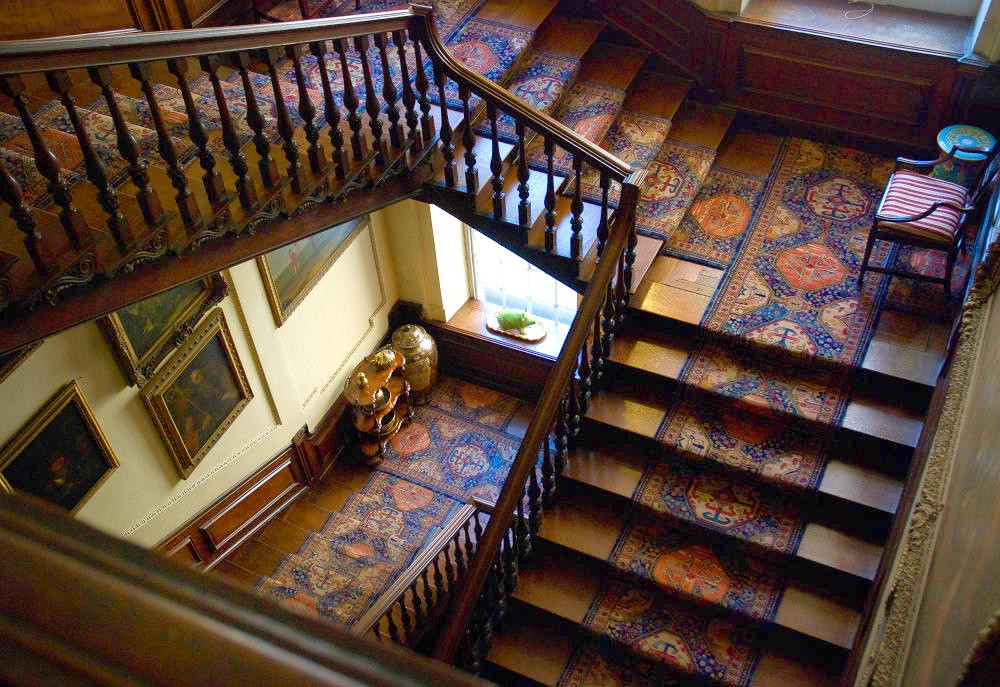
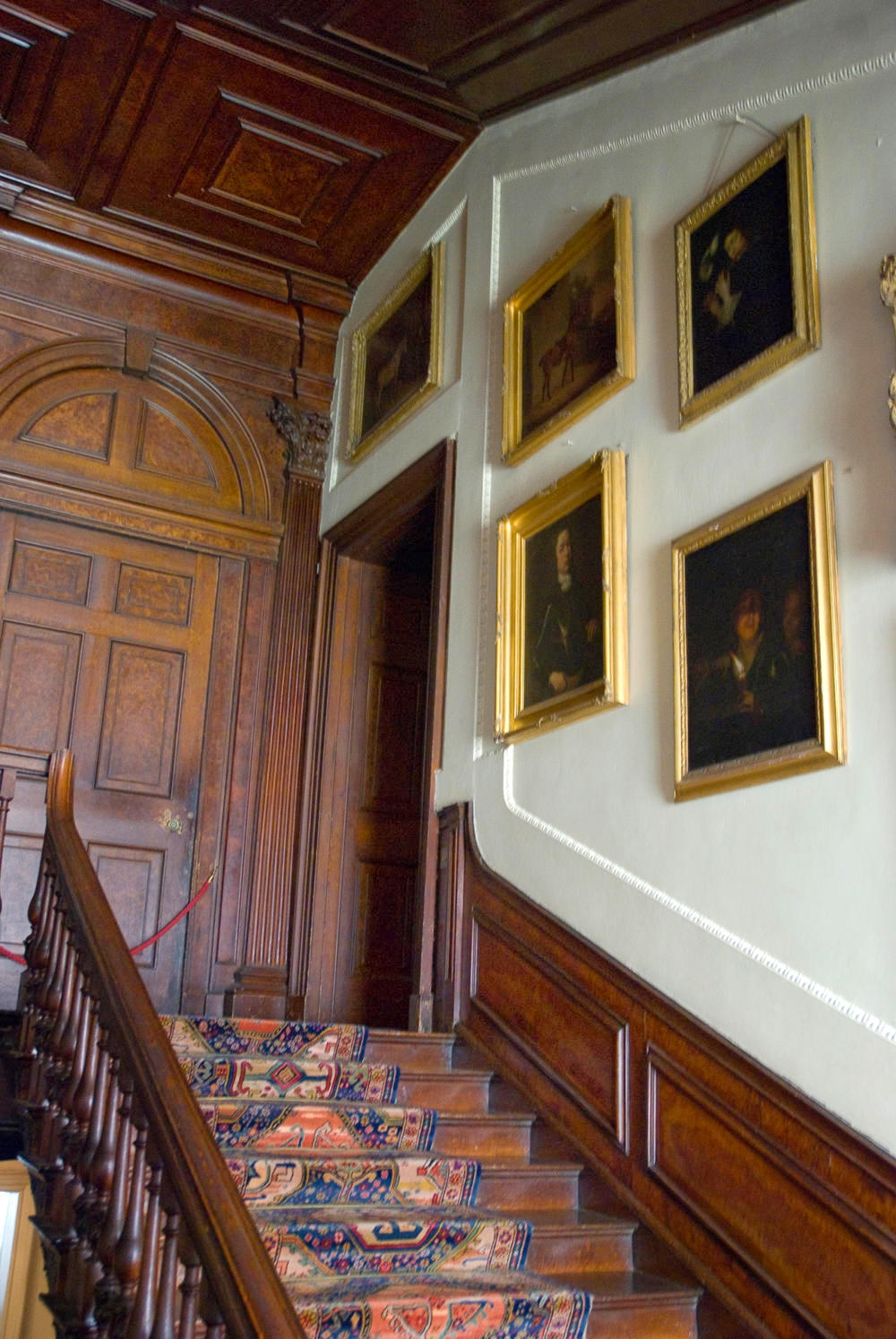
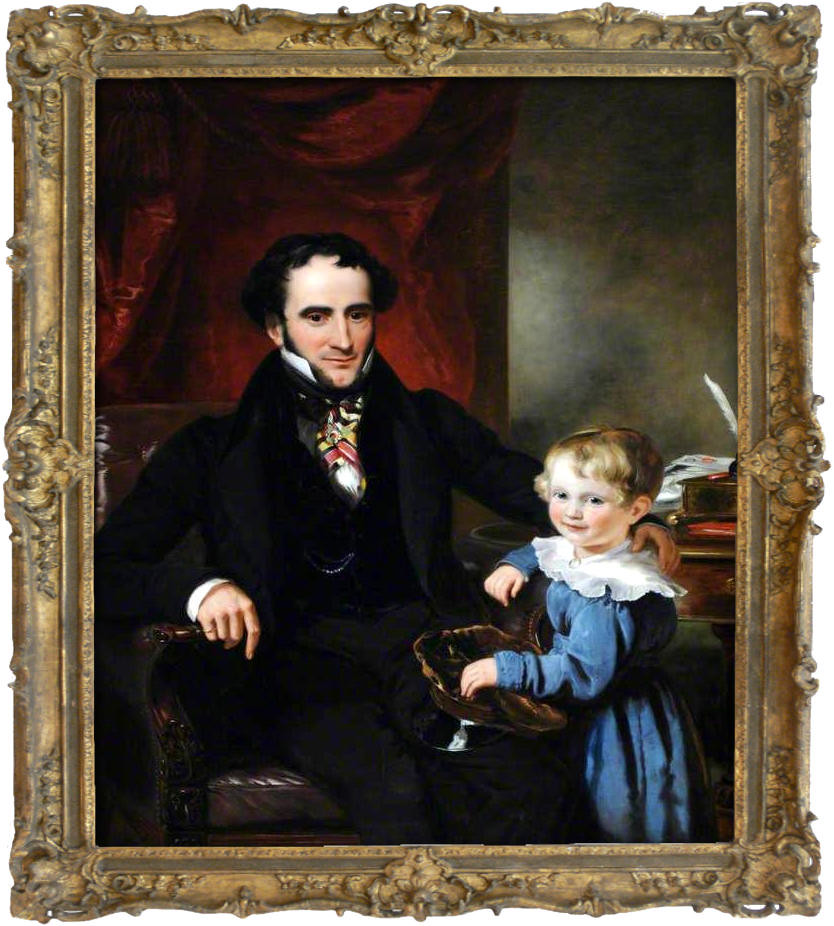
Happy Families (Cheery Families) in Calke Abbey. Credit Mark LongairWinding Staircase at Calke Abbey. Credit Thomas QuineFamily portraits on the stairway. Credit Thomas Quine
Created in 1626, the Harpur-Crewe Baronetcy, of Calke Abbey, Derbyshire was a title in the Baronetage of England.
Passed down through ten Baronets, the title became extinct in 1924 when the estate went to the female line and then to the grandson of the last Baronet.
Inheritance tax forced the sale after his death in 1981 and in 1985, the National Trust took possession.
Reminiscent of Mr Darcy in Jane Austen's Pride and Prejudice, Sir Henry Crewe the 7th Baronet, became one of the richest land owners in Derbyshire, with an income of, you guessed it, £10,000.
Described as an "unfortunate connection" by his mother Lady Frances because it breached the social conventions of the time, Sir Henry married his mistress, a lady's maid called Ann or Nany Hawkins.
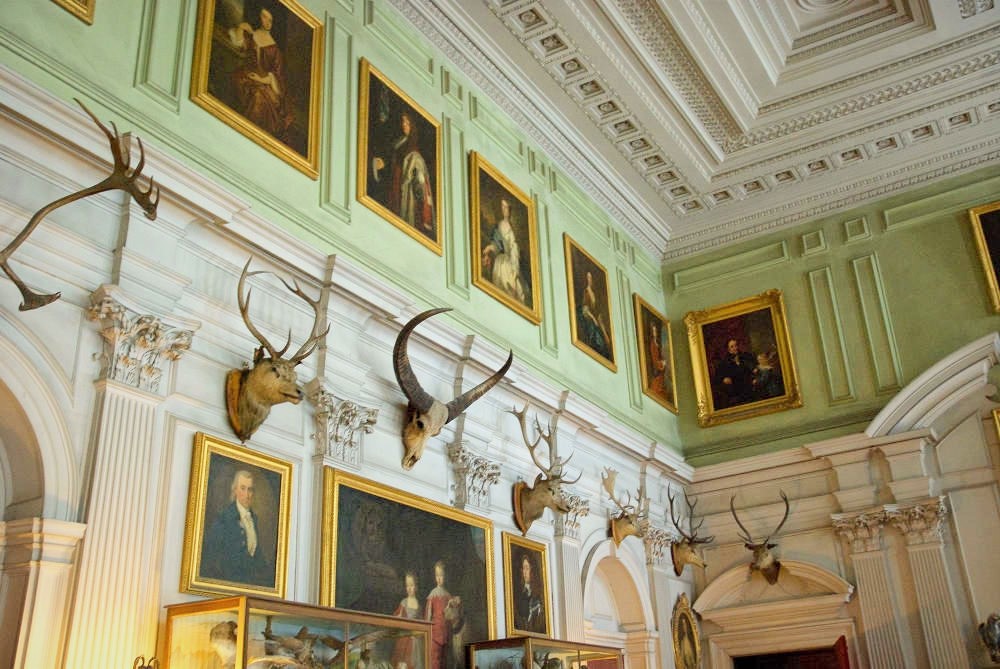
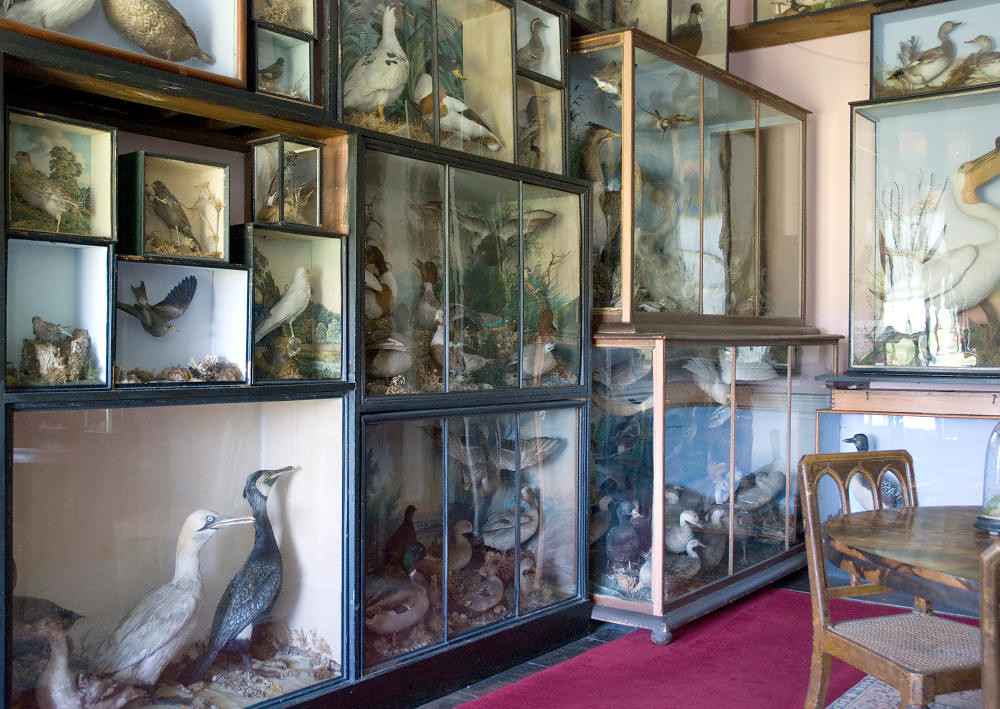
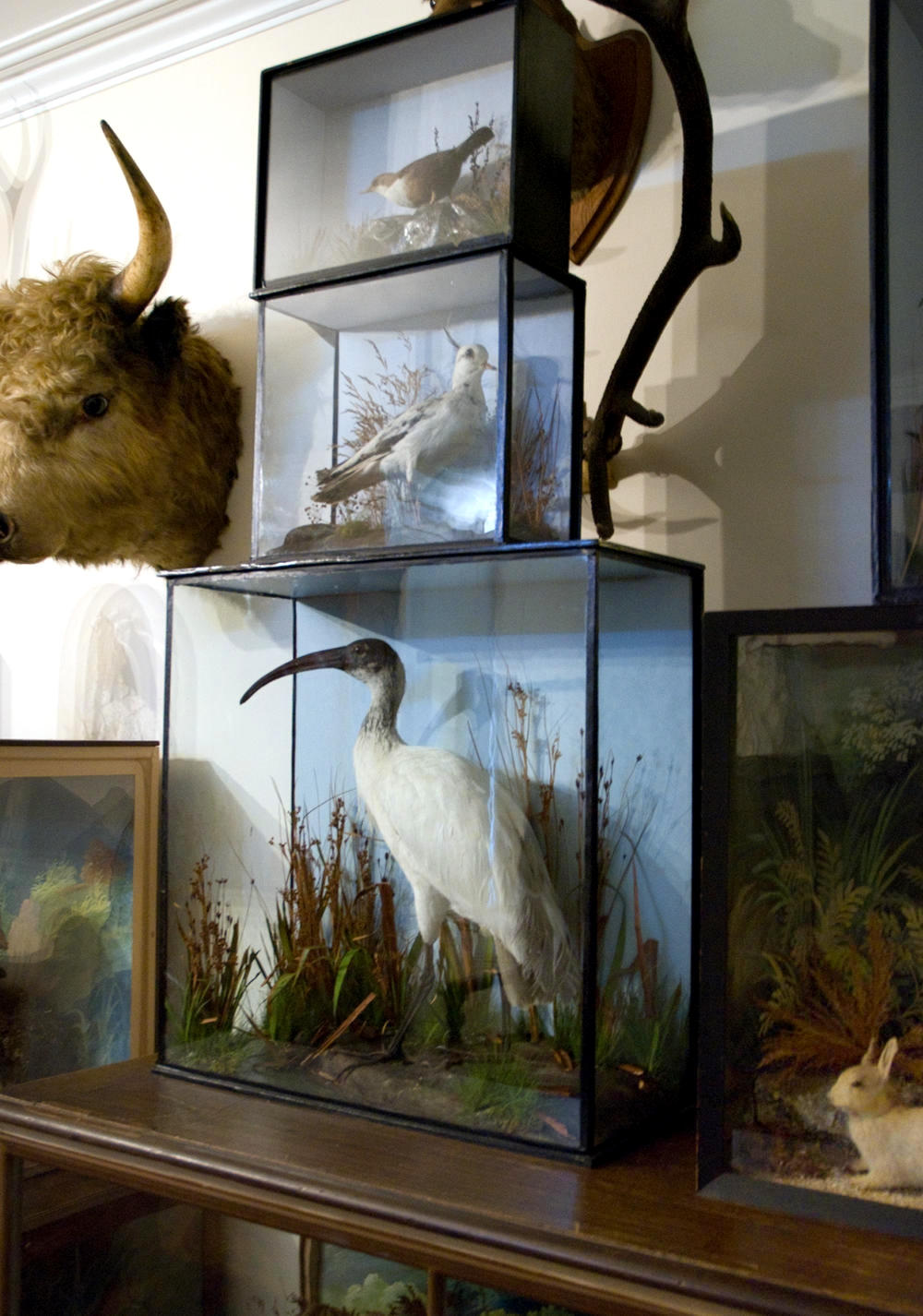
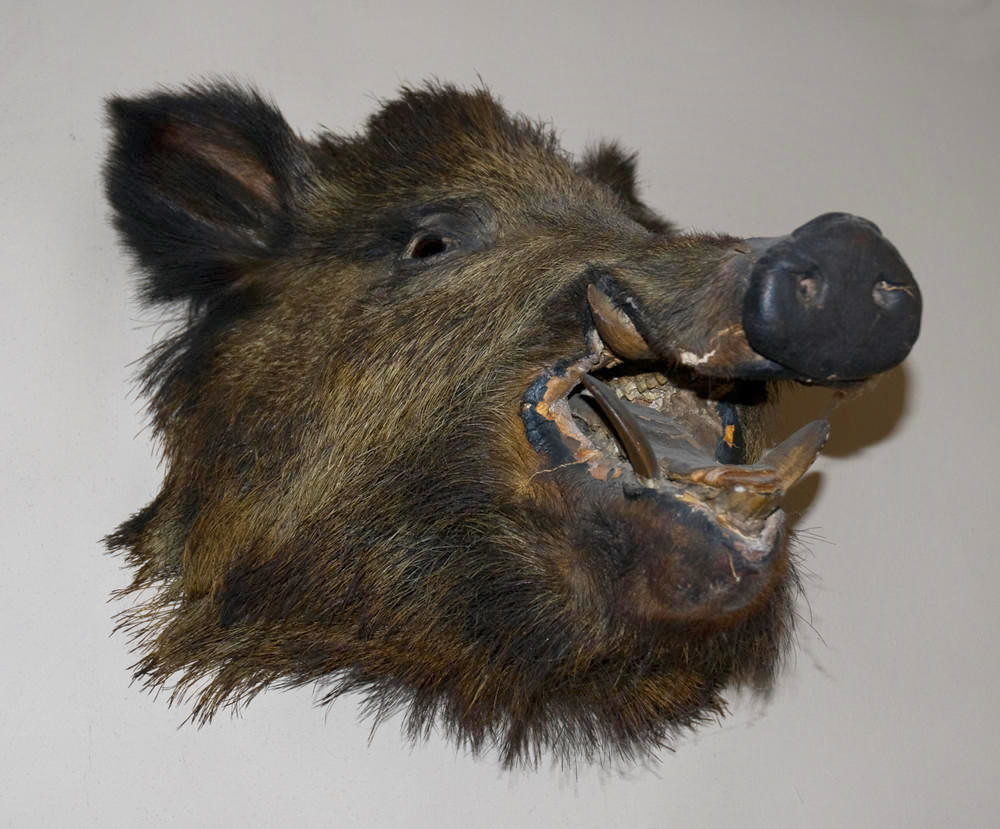
The Harpur-Crewe Baronets had a fascination with taxidermy, displaying all manner of birds, insects, game, and even prize cattle around the house, some in glass cases and some mounted on walls.
Bird showcases at Callke Abbey, Derbyshire. Credit Thomas QuineTaxidermy - the hobby of a gentleman naturalist. Credit Thomas QuineBoar's Head. The Harpur-Crewe family that owned Calke Abbey had a fascination with taxidermy. Credit Thomas QuineThe Breakfast Room , Calke Abbey
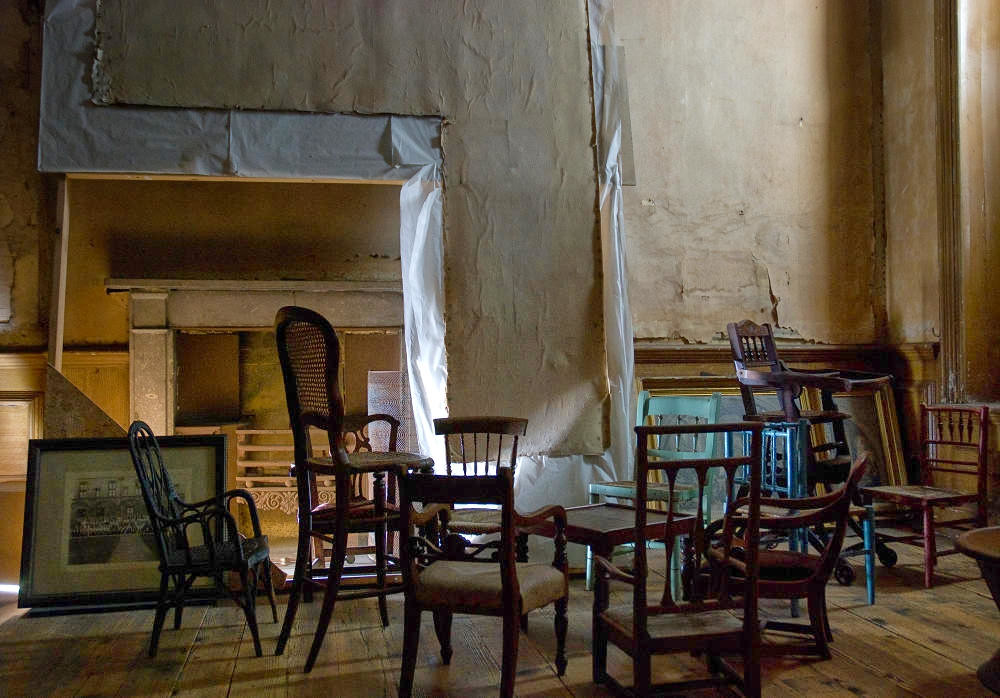
Hinting at the joys of children's laughter throughout the house at one time are these high chairs for meal times.
Children's chairs, Calke Abbey, Derbyshire. Credit Thomas Quine
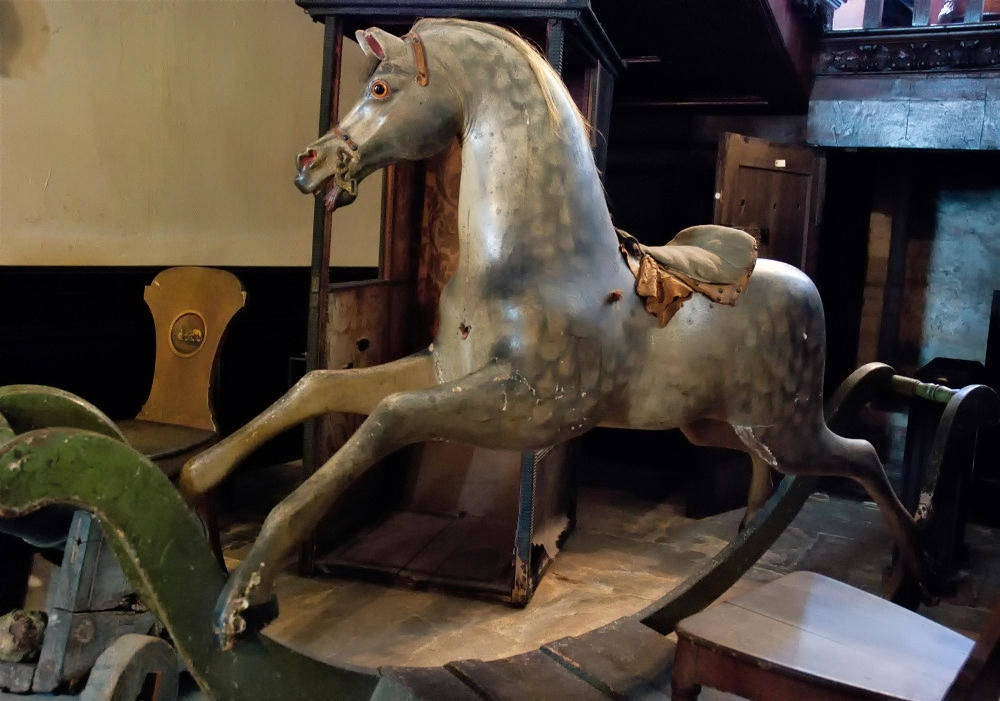
How many hours of happiness did this cheerful rocking horse provide?
Antique Rocking Horse, Calke Abbey. Credit Thomas Quine
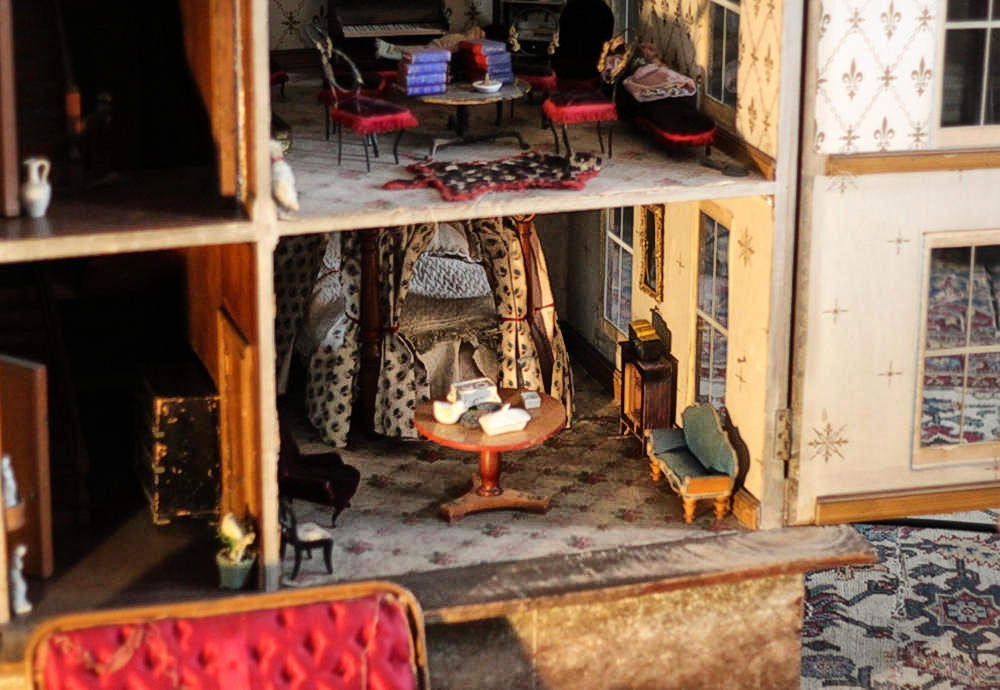
And at one time, a child's imagination would be set alight by the magical miniature world of dollhouses.
Related: The Magical Miniature World of Antique Dollhouses
Details of a Doll's House in Calke Abbey. Credit Mark Longair
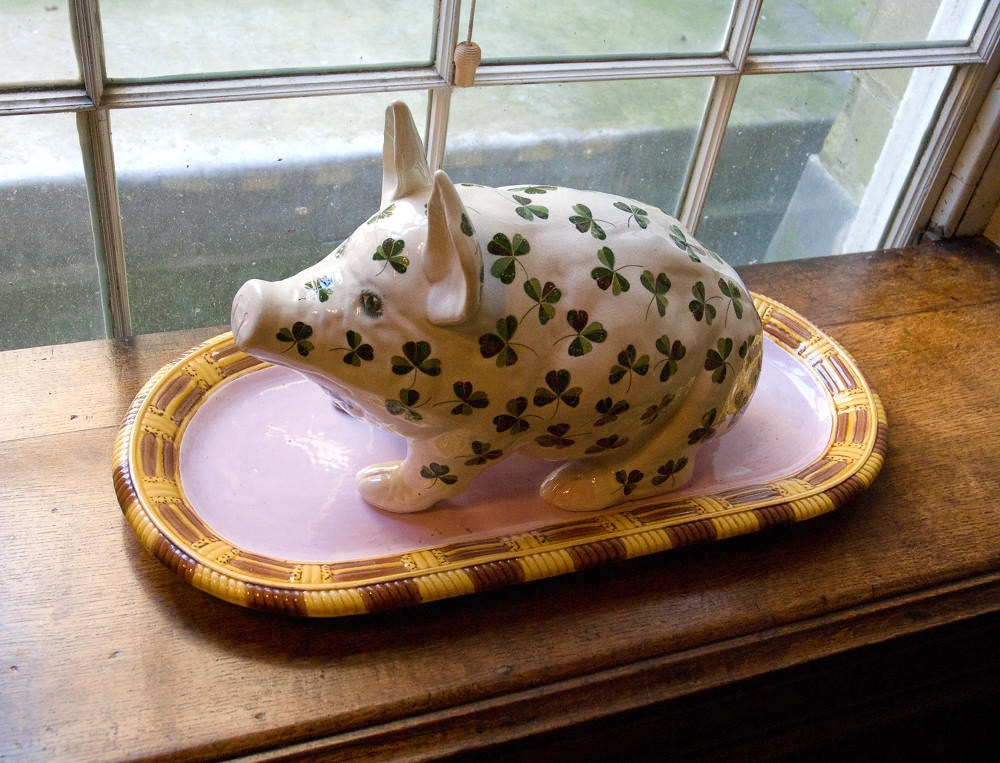
Sitting patiently on a window ledge, a Piggy Bank waits for its stored change to be used to buy more toys for a rainy day.
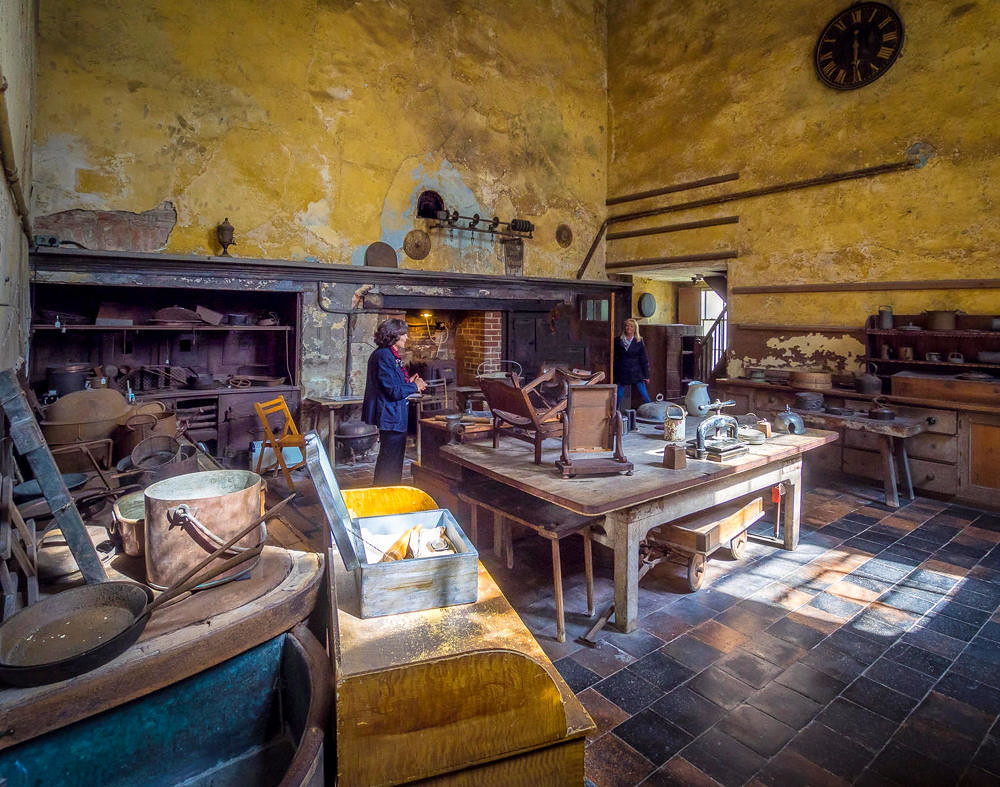
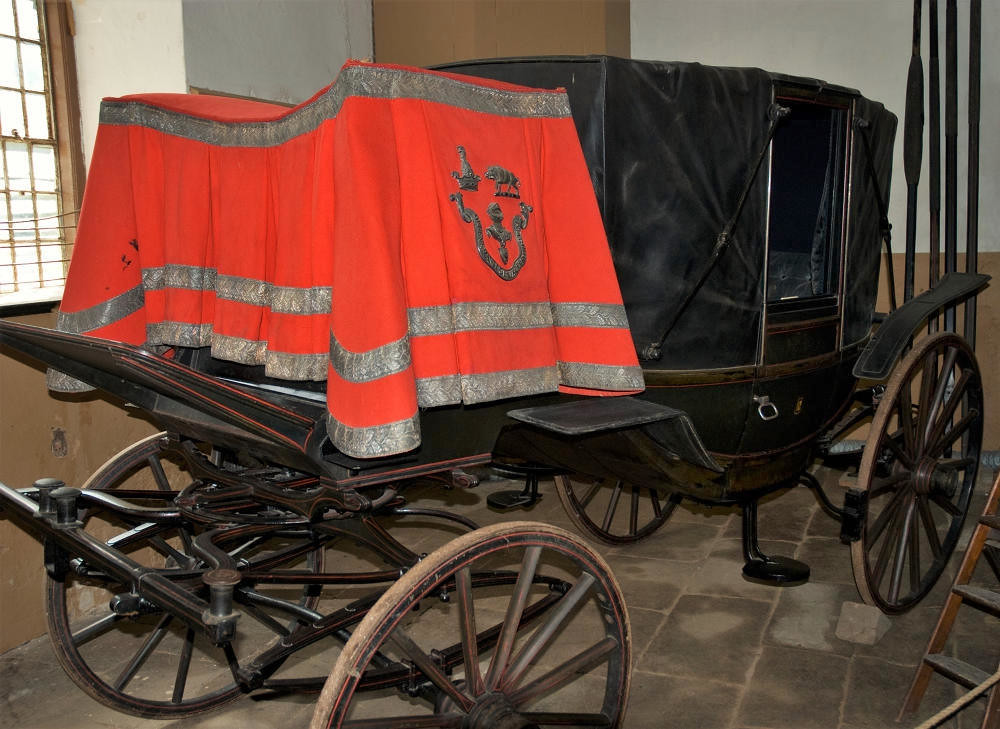
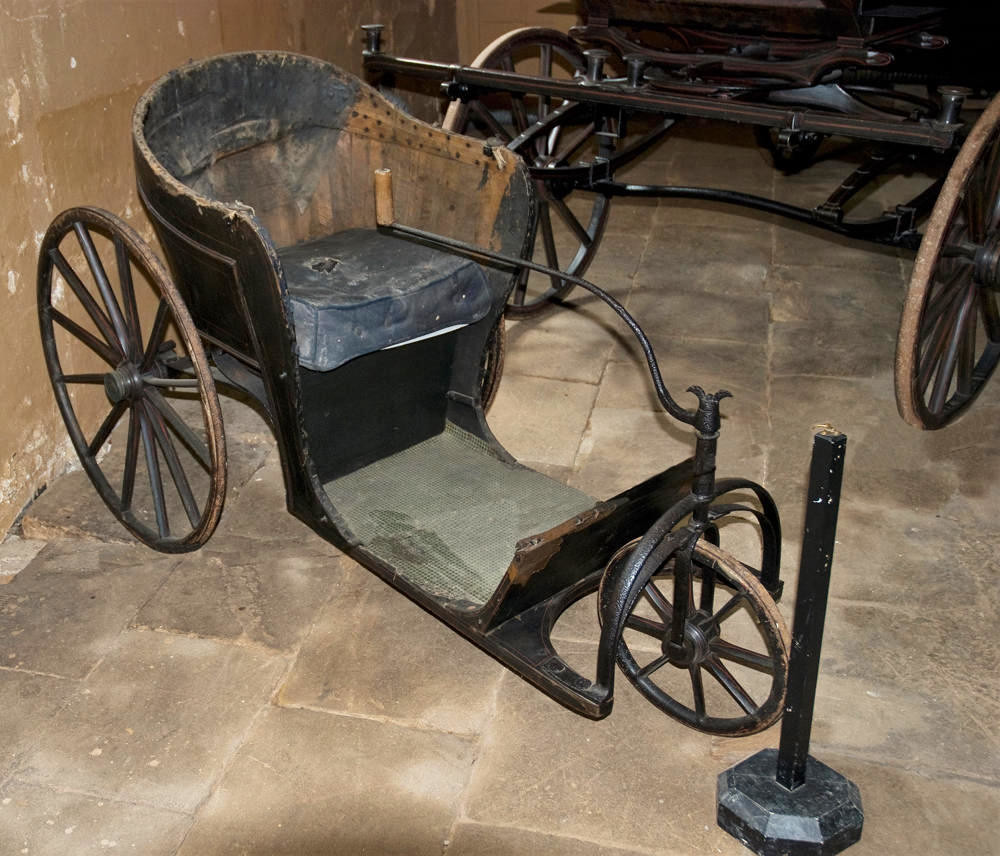
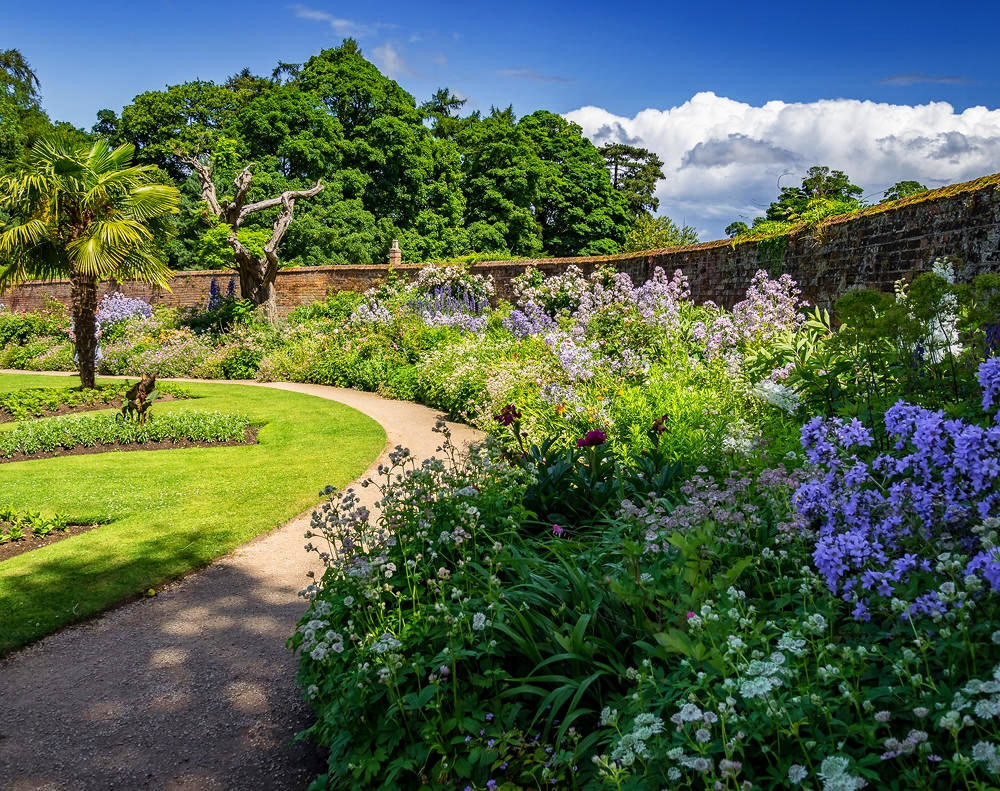
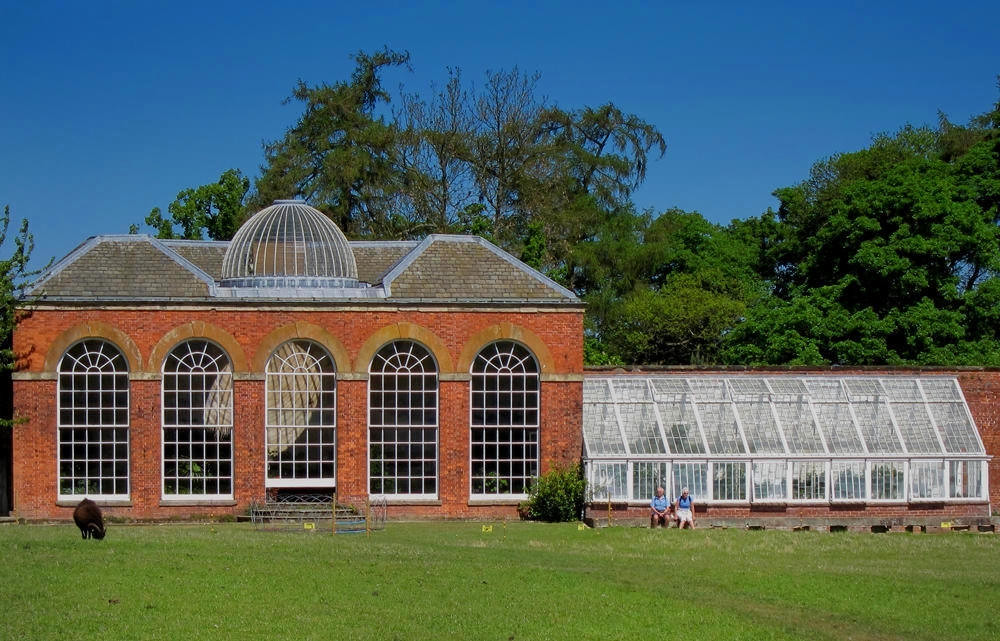
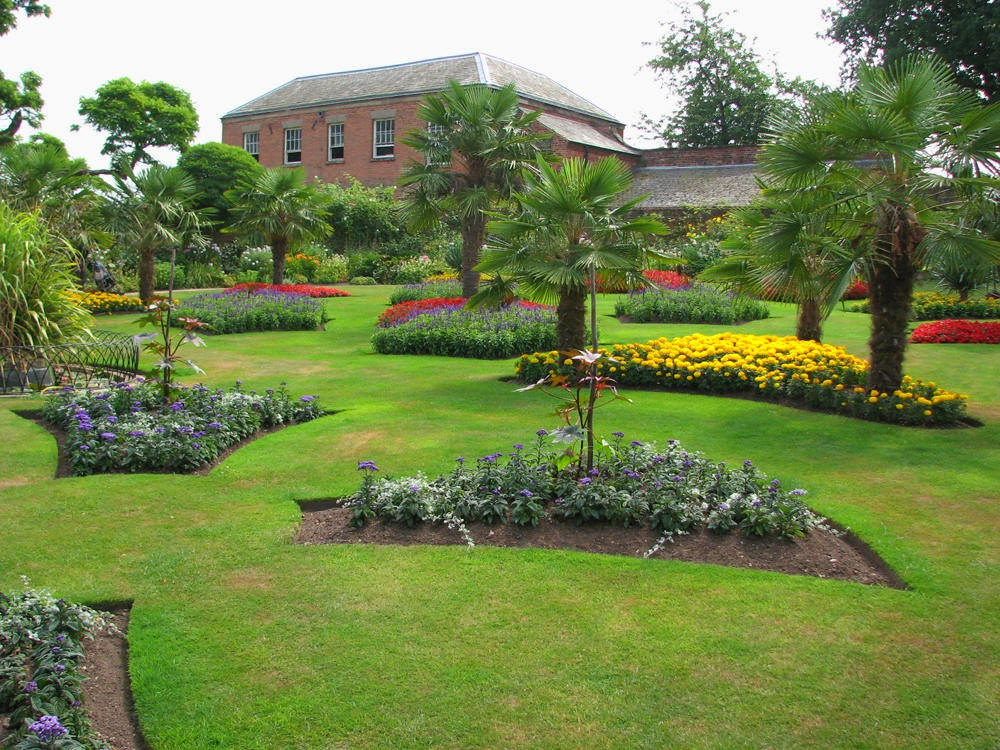
Piggy Bank at Calke Abbey, Derbyshire. Credit Thomas QuineCalke Abbey Kitchen. Credit Bob Radlinski, flickrAntique carriage, Calke Abbey. Credit Thomas QuineAntique Wheelchair, Calke Abbey. Credit Thomas QuineCalke Abbey Gardens, Derbyshire. Credit Bob Radlinski, flickrThe Orangery , Calke Abbey. Credit Phil SangwellWalled garden and Gardener's Cottage at Calke Abbey, Derbyshire. Credit Nancy
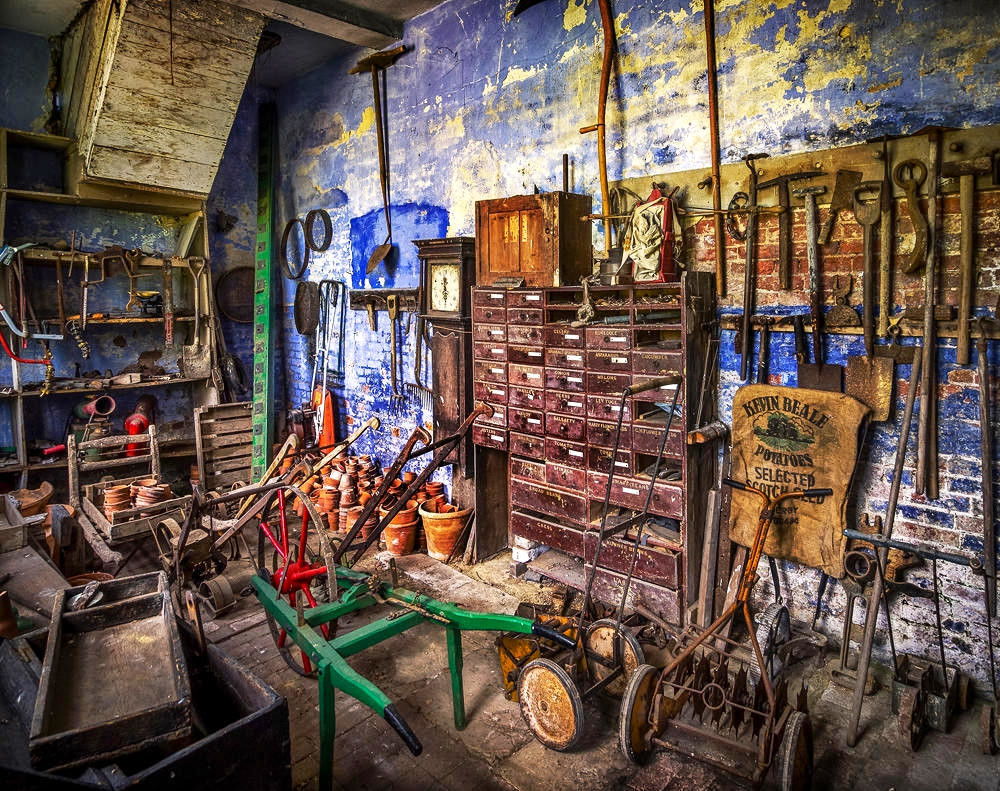
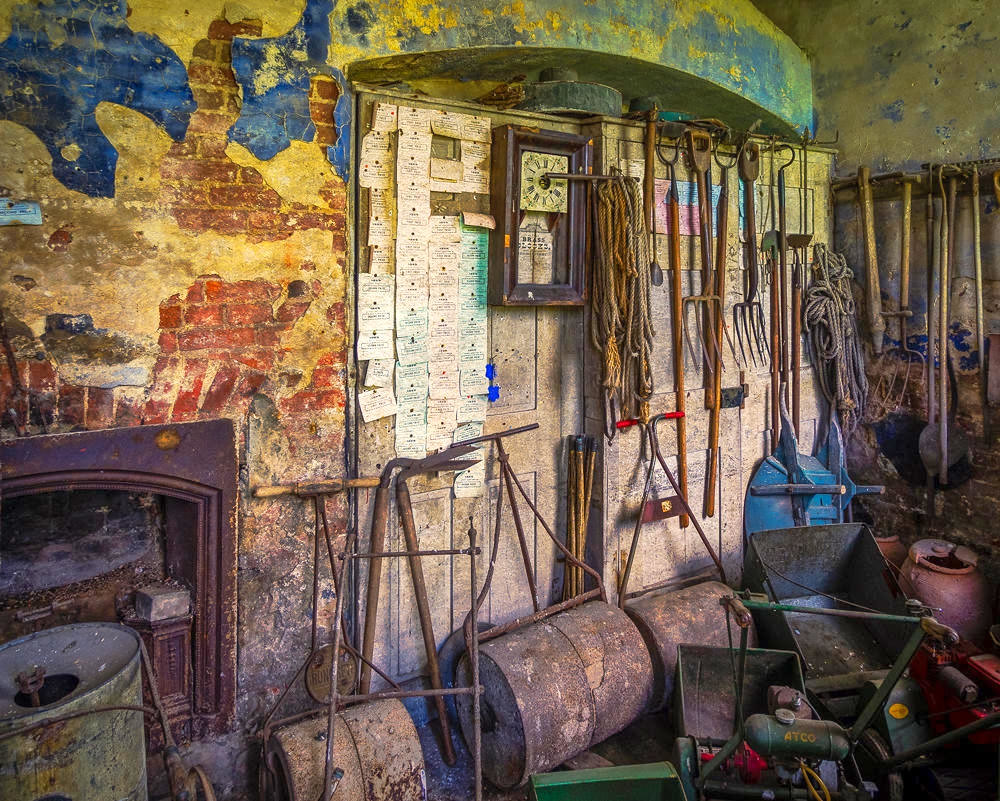
To keep the grounds looking immaculate, a host of equipment was needed, including manual mowers, lawn rollers, edge trimmers and other garden tools—all stored just how the gardener left them 100 years ago.
The Garden Shed - Calke Abbey, Derbyshire. Credit Bob Radlinski, flickrCalke Abbey Garden Shed, Derbyshire. Credit Bob Radlinski, flickr
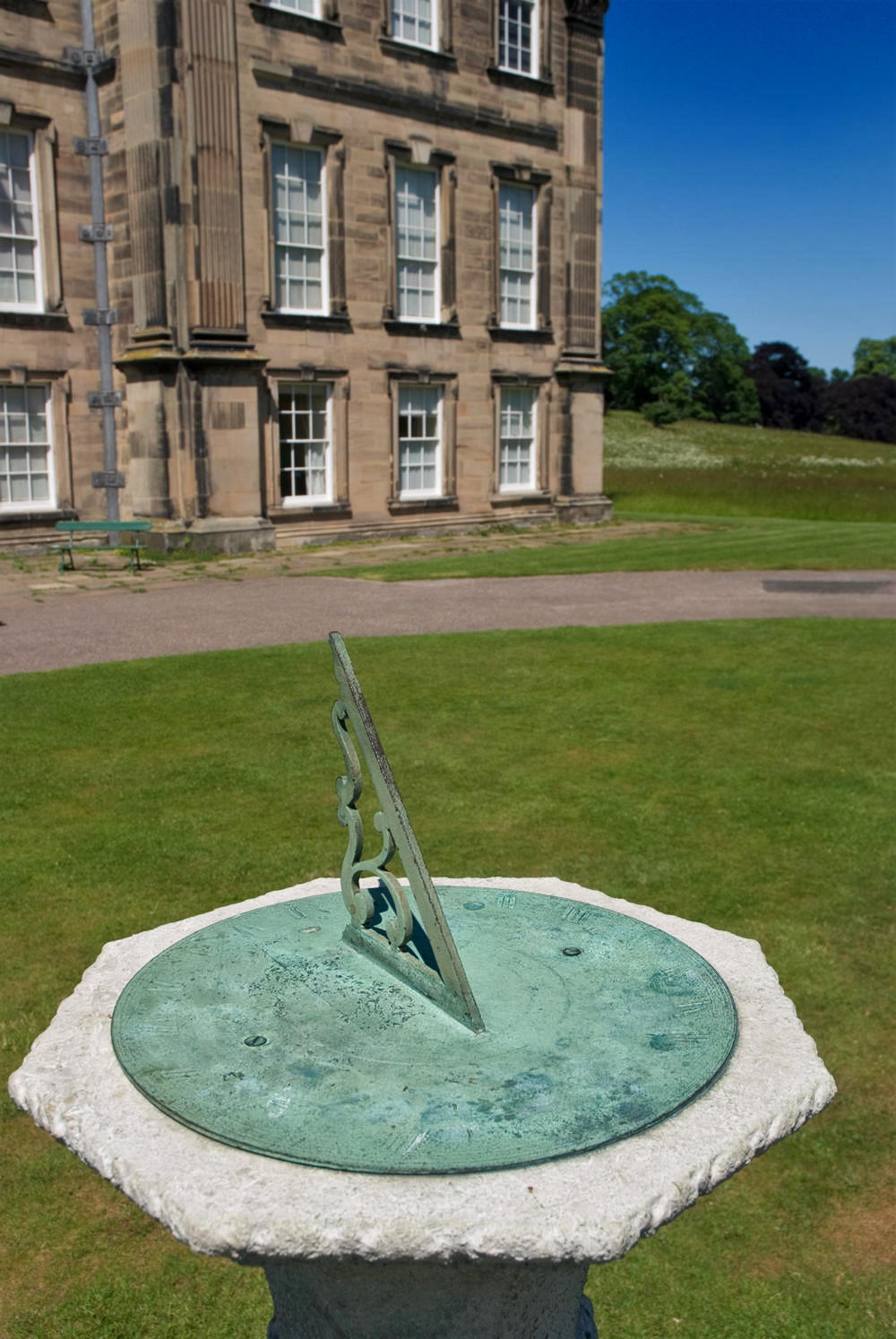
Like the immovable sundial in the grounds, the clock stopped for Calke Abbey. It is locked in a time capsule.
Inhabited by privilege it was, but it was built and cared for by ordinary working folk like you and me.
We need to preserve our heritage because it is our story too.
Calke Abbey sundial, Calke Abbey. Credit Thomas Quine